What is incense used for and does it really cleanse the energy of the home?
Typically, incense is used to scent homes or spaces, for meditation or rituals. So, in one case it is related to aesthetics and lifestyle, in another – it can be part of deep spiritual practices. For people who have little to do with esotericism, questions naturally arise: is burning incense just a smell and a detail of comfort in the home, or something more – can it transform the atmosphere in the home, „cleanse“ spaces, change mood and state?
What is incense used for in everyday life?
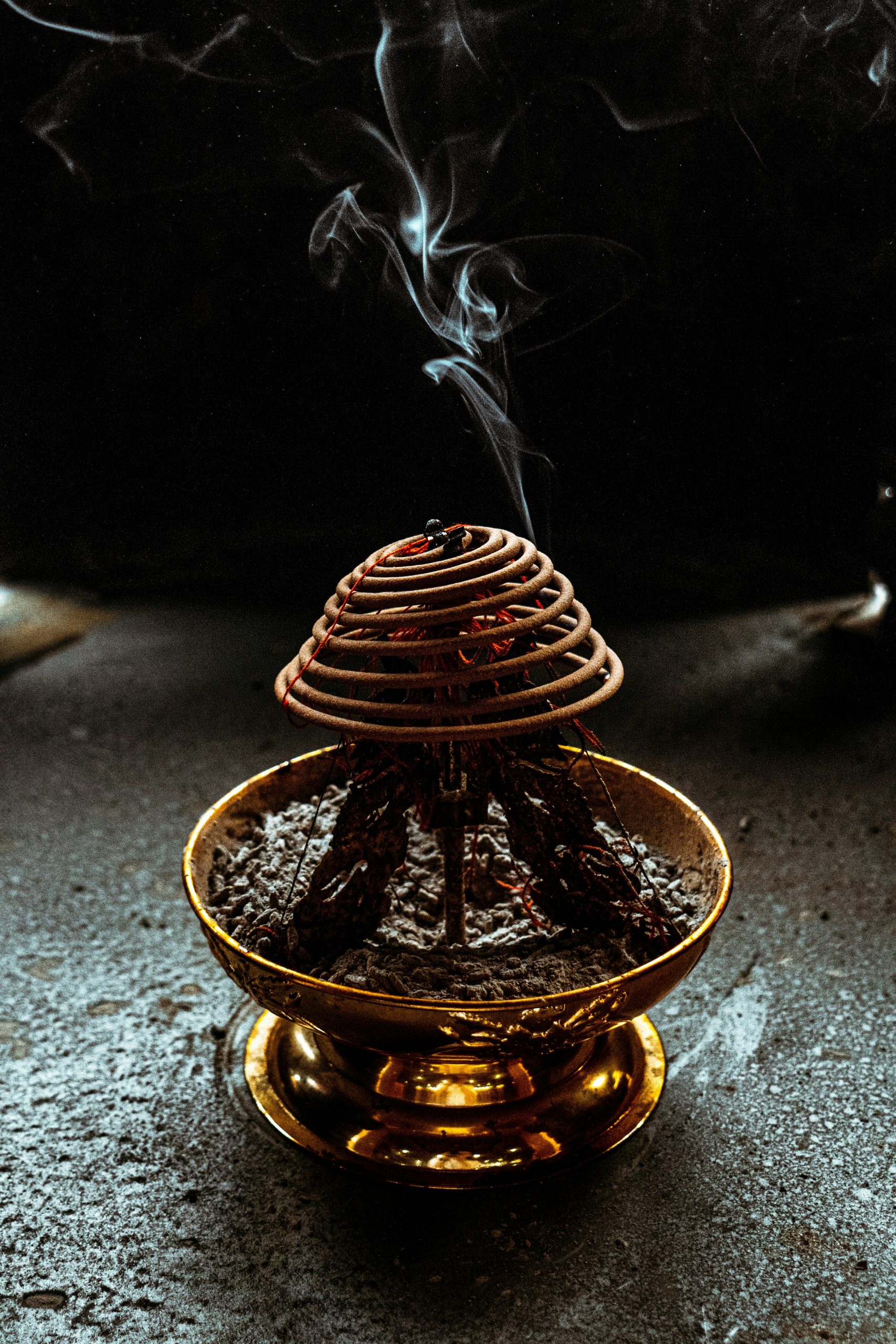
People use incense in a variety of ways: for some it is for aesthetics and a pleasant scent in the home, for others it is part of religious worship or ceremonies. Incense is also often chosen aromatherapy, meditation and mindfulness practices, because the scent helps you calm down and concentrate faster. However, in practice, incense can also perform a very mundane function - acting as a simple air deodorizer (covering unpleasant odors) or helping to repel insects.
When does home stop being a safe space?
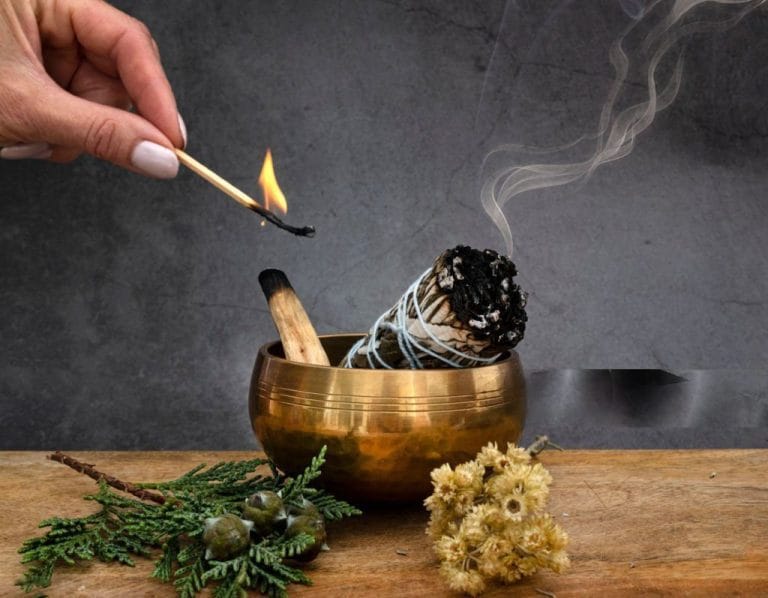
Home should be your refuge – a place to return to rest, recover and „gather“ after an ordinary day. However, sometimes a difficult atmosphere prevails at home: after tension at work, after conflicts, after long months without rest or even after guests. Then the question arises: what to do to make the home a safe, harmonious space again? Some people choose to „cleanse“ the space by tidying up and airing it out, others resort to rituals, such as cleansing the space with incense (one of the most popular is Palo Santo).
WHEN is it important to "cleanse" negative energy at home?
Most often, the signal comes not through one clear event, but through a recurring background: you are increasingly immersed in negative emotions, you have difficulty falling asleep or your sleep becomes superficial, arguments occur more often at home, and your body seems to "not release" tension.
When people talk about negative energy, they often don't mean something mystical, but rather a general state created by one's environment and emotions. Burning incense at home can help to:
- Better mood and well-being;
- More warmth in relationships (fewer sparks over trifles);
- Higher energy levels (feeling of lightness);
- Less stress and anxiety (reduction of internal noise);
- A more positive home atmosphere (more cozy, brighter, inviting).
Note: If you experience long-term insomnia, anxiety, or symptoms of depression, incense may be just an additional ritual, but not a solution - it is worth seeking professional help.
How does incense "cleanse energy" - what happens during the ritual?
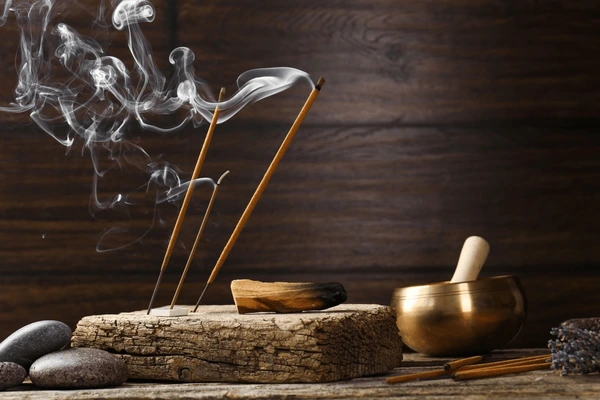
Incense sticks are associated with "higher vibrations" in various traditions, as they are usually made from plants, resins, or wood (e.g. Palo Santo), which is considered "sacred" in a particular culture. The idea is simple: when incense is lit, the space is filled with scent and smoke, which increases the vibrations of the space and eliminates heavy, negative energies.
When cleaning the house, incense is deliberately "directed" through the house - like light that passes through corners where tension accumulates.
A brief guide to cleaning your home with incense:
- Consciously choose a scent that brings you peace;
- Open the window;
- Light the incense and extinguish the flame (leave it to burn);
- Move slowly through the space (especially corners and "stagnant" areas);
- Finish with ventilation and a few minutes of silence.
What incense scents are most commonly chosen to cleanse negative energy?
Not all incense works the same way, as scents are associated with different functions:
- White sage – associated with the "purification" and clarity of space;
- Sandalwood – calming, grounding, creating inner peace;
- Nag champa – a gentle mood-uplifter, often used for meditation;
- Frankincense (frankincense resin) – traditionally associated with protection and transparency;
- Lavender – for peace, relaxation, a soft background;
- Lemongrass – for freshness, „restart“, a lighter atmosphere;
- Cedar – for stability, a sense of security, and „solid space“;
- Copal – ceremonial, resinous, often used for energetic „cleansing“;
- Myrrh – a rich, sensual note associated with protection and holiness;
- Benzoin is a warm, cozy scent for harmony and a calm mood.
Conclusions
Incense is used in everyday life not only to scent or style the home, but also to cleanse it energetically, which results in less tension and more lightness and a better mood. The most important thing is to choose scents that bring you peace personally, and practice them in moderation so that the ritual remains pleasant. If desired, you can supplement incense burning in other ways - with order, ventilation, sound practices or meditation.
FAQ
What is incense used for at home?
Incense is most often used at home to scent spaces, create a sense of comfort, help calm or concentrate, as well as for meditation and rituals.
Does incense really cleanse the energy of the home?
For many people, incense "cleanses energy" by changing the emotional atmosphere: the scent and ritual help release tension, create a lighter background and a sense of new beginnings.
How to properly incense your home to create a feeling of "purification"?
It is usually recommended to open a window, leave the incense smoldering (not burning with a flame), slowly move through the space, and ventilate it at the end - this makes the ritual clear and pleasant.
What incense scents are best for dispelling "negative energy"?
Popular choices include white sage, frankincense, sandalwood, cedar, lavender, copal, and myrrh, but the best scent is one that gives you a sense of peace and cleanliness.
How often should you incense your home?
There is no single correct frequency: some people burn incense as needed (after tension, arguments, guests), others once a week or a month. The most important thing is that the practice does not become tiring, but remains conscious and pleasant.
If you are looking for natural incense, Palo Santo whether singing bowls In Lithuania – view the selection samanasanto.lt.