
Feng Shui is not a superstition, but a thousand-year-old system of spatial science. How does it work in your home today?
Feng Shui works in a home when a space helps a person feel calmer, clearer, and more supported. It's not just about talismans or a "correctly" placed sofa - it's a system that teaches you to observe how light, order, directions of movement, colors, plants, and symbols change the atmosphere of a home.
Many people associate feng shui primarily with superstition, but traditionally it is an ancient Chinese practice of harmonizing space. Its essence is to understand how the flow of qi, or vital energy, moves in the environment and how a person experiences that environment on a daily basis. Today, feng shui can be applied in a very practical way: not by tearing down walls, but by consciously arranging a home in a way that maintains peace, concentration, and comfort.
What is feng shui and what is this system about?
Feng Shui is a Chinese philosophy and system of spatial arrangement that examines the relationship between humans and their environment. It discusses how the structure of a home, the placement of objects, light, directions, and symbols create a sense of space.
The word „feng shui“ is often translated as „wind and water“, so the name itself already refers to movement, flow and natural balance. In the classical understanding, space is not considered only as walls, floors and furniture – it is perceived as a living system in which everything affects the overall atmosphere. It may sound mystical, but in everyday life this principle is very simple: a person reacts differently to a messy, dark and cluttered room than to a clean, bright and clearly organized space. Feng shui teaches you to notice these signals and consciously correct them. The Encyclopedia Britannica describes feng shui as an ancient Chinese practice that seeks to harmonize buildings, places and objects with the flow of qi.
Why isn't feng shui just a superstition?
Feng Shui is not just a superstition, because its essence lies not in blind faith, but in the observation of space, the meaning of symbols and the human reaction to the environment. It only becomes a superstition when it is expected to produce a miraculous result without any conscious action.
From a modern perspective, feng shui can be understood as the traditional psychology of space. Order, light, visibility, ease of movement and natural elements directly affect how a person feels in their home. For example, a dark corner can create a feeling of heaviness, while a living plant or soft light can make the same place more peaceful. A symbolic object is also not „magic“ in itself – it acts as a daily reminder of intention, direction or desired state. Scientific works on feng shui and environmental psychology also emphasize that a person’s well-being is closely related to the characteristics of the living space, although individual feng shui statements should be evaluated with caution.
How does feng shui work in the home today?
Today, feng shui works through simple things that are understandable to human senses: light, order, movement, a sense of security, and meaningful accents. Homes become not only a place to live, but also a space that shapes mood every day.
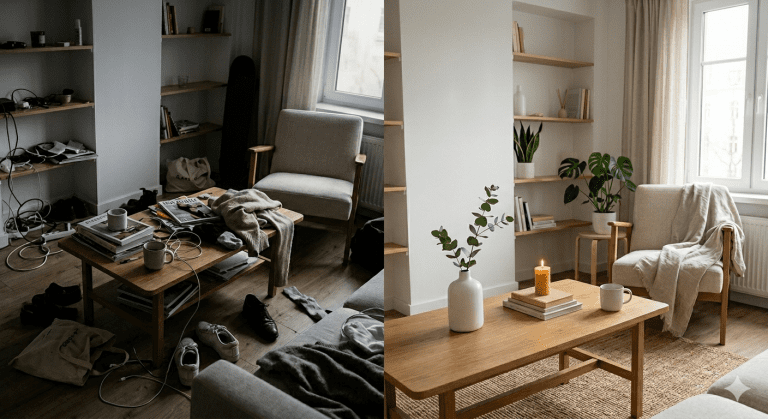
Imagine a house where, upon returning, the first thing you see is a hallway cluttered with shoes, boxes, and random objects. The body immediately gets a signal: it’s cramped, chaotic, and unfinished. Now imagine the same hallway, only with a free passage, clean surfaces, soft light, and one beautiful object. The space itself hasn’t changed radically, but its effect is different. This is exactly how feng shui works in modern homes – through small decisions that change a person’s relationship with the place. Broader research on the built environment also shows that the living environment has significance not only for economic dimensions, but also for health, safety, social connections, and emotional well-being.
The hallway: the first impression of the energy of the house
The hallway is considered the first energy point of a home in the Feng Shui system. It is the place that greets a person upon their return and forms the first emotional signal of the home.
If the hallway is cluttered, a person often does not even notice that they are already tense when they enter the house. The most important thing here is not luxury, but clarity: a free passage, a convenient place for keys, a clean floor area and one cozy accent. This can be a candle, a plant, a ceramic bowl, an incense burner or a small talisman. It is important that the hallway does not create the impression that the house begins with chaos. When the entrance area becomes light and tidy, the entire ritual of returning home changes.
In the hallway, it is worth leaving only what is needed every day:
- A clear place for keys;
- A tidy shoe area;
- One warm light source;
- A pleasant scent or ritual object;
- A symbol that is associated with protection, peace, or a return to oneself.
Water element: flow, abundance and movement
The element of water in feng shui is associated with flow, flexibility, and a sense of abundance. In the home, it can be expressed not only through actual water, but also through colors, shapes, or images.
Water symbolically reminds us that energy should not be stagnant. Therefore, a fountain, a vase with clean water, blue accents or even a painting with a water motif can change the mood of a space. The most important thing is that the water element looks well-groomed, clean and harmonious. An unkempt fountain or stagnant water creates the opposite impression – not of flow, but of stagnation. In a small space, one subtle accent is enough, because feng shui is not about an abundance of things. It is more like the art of choosing one right detail that has meaning.
The water element can be included through:
- A small decorative fountain;
- Vase with water composition;
- Blue, black or deep gray accents;
- Wavy shapes in the decor;
- A painting or object that resembles calm movement.
Plants: living energy and natural renewal
Living plants in feng shui symbolize growth, renewal, and vital energy. Even one healthy plant can change the feel of a room if placed thoughtfully.
Plants are not only symbolic – they bring organicity, softness and life to a space. A room without any living element sometimes looks neat but cold. A plant helps soften corners, revive an empty space and create a more natural connection with the environment. However, from a feng shui point of view, it is important that the plant is healthy and well-groomed. A dried, forgotten or dusty plant no longer creates the impression of renewal. Better one beautifully cared for plant than five random pots that become another form of clutter.
Light: how to brighten up dark areas of the house?
In Feng Shui, light helps to move heavy, dark, and visually stagnant areas of the home. Where there is more light, there is usually more lightness, clarity, and liveliness.
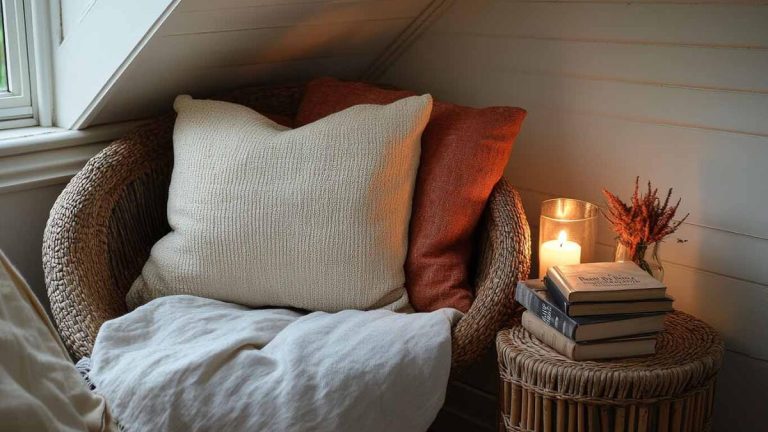
Dark corners in the home often go unnoticed, but the body still registers them. They can create a feeling of incompleteness, heaviness, or even discomfort. An additional lamp, candle, lighter fabric, or mirror can help soften such an area. Feng shui is not about making every corner brightly lit. It is more important to understand where the energy in the home seems to „stop“ and what simple action can be taken to move it. Sometimes, one warm lamp is enough to make a room completely different in the evening.
It is worth strengthening the light where:
- Things often accumulate;
- The space seems visually heavy;
- You want more comfort;
- Lack of clarity or direction;
- The corner of the room seems forgotten.
Symbolic objects and talismans: reminders, not magical solutions
In Feng Shui, talismans are not intended to change a person's actions or decisions. Their purpose is to become a visible reminder of what kind of energy a person wants to maintain in their home.
A symbolic object works when it is chosen consciously. If a person wants more peace, they may choose an object that they associate with a sense of silence, protection, or inner balance. If they want more abundance, a symbol related to flow, prosperity, or gratitude may be appropriate. However, the most important thing is not the object itself, but the relationship with it. A lot of talismans bought at random can create visual noise rather than harmony. Feng shui works best when one symbol has a clear place, a clear meaning, and is not lost among unnecessary things.
When choosing a symbolic object, it is worth considering:
- What state does it remind you of?;
- Does it fit with the aesthetics of the home;
- Is his place visible but not cluttered?;
- Does it bring peace, not pressure?;
- Was it chosen with a clear intention?.
Where to start if you don't want to remodel your entire house?
Feng Shui doesn't require you to reorganize your entire home at once. It's best to start with one area that you see and feel the most every day.
It is most practical to start with the hallway, bedroom or workplace. These areas directly affect the daily rhythm: how you come home, how you rest and how you concentrate. The first step is always to remove unnecessary things, because the space must have room to breathe. The second step is to check the light and movement: is it easy to pass through, does it make you want to be in that place, does the body feel safe. The third step is to have one meaningful accent that establishes the desired atmosphere. This way, feng shui becomes not a complicated system of rules, but a daily way of creating a home that is good to be in.
A simple starting sequence might be as follows:
- Choose one zone;
- Remove unnecessary items;
- Amplify the light;
- Leave a clear path of movement;
- Add one living or symbolic accent;
- Watch how the sense of space changes.
FAQ
Does feng shui really work?
Feng Shui works when it is understood as a conscious arrangement of space, not as a system of magical promises. Order, light, plants, comfortable movement and meaningful symbols can really change the atmosphere of a home and a person's well-being.
Is it necessary to believe in qi energy to apply feng shui?
Not necessarily. Even if qi is understood not mystically, but as a metaphor for the flow, feel, and atmosphere of space, the principles of feng shui can still be practically useful.
How many talismans do you need at home?
It is better to choose fewer, but more meaningful ones. One clearly chosen talisman, with a specific intention and the right place, often has a stronger effect than many random symbols.
Which place in the house is best to start?
It's best to start with the hallway, as it's the first space you notice when you come home. A tidy, bright and clear entryway helps the entire home feel more peaceful.
Does feng shui mean that you need to change your entire interior?
No, modern feng shui often requires small changes. Sometimes it's enough to remove excess items, add light, place a plant, or choose one symbolic object.
Conclusions
Feng Shui is not just a set of talismans or superstitions - it is a millennial system of space observation that can be applied very practically today. It helps to understand how a home affects a person's mood, attention, rest and daily rituals. When a space becomes clearer, brighter and more meaningful, it is easier for a person to feel calm and focused in it.
- The essence of Feng Shui is the flow of space, balance, and a conscious relationship with the home;
- The hallway forms the first emotional impression of a home;
- The element of water symbolizes movement, abundance, and flexibility;
- Plants bring life, renewal, and naturalness to the home;
- Light helps to soften dark, heavy and stagnant areas of space;
- Talismans act as meaningful reminders of peace, protection, abundance, or inner direction.
If you want to bring more symbolism, peace, and mindful rituals into your home, discover Samana Santo Feng Shui Talismans and Amulets Collection.
Staff picks
Recommended products
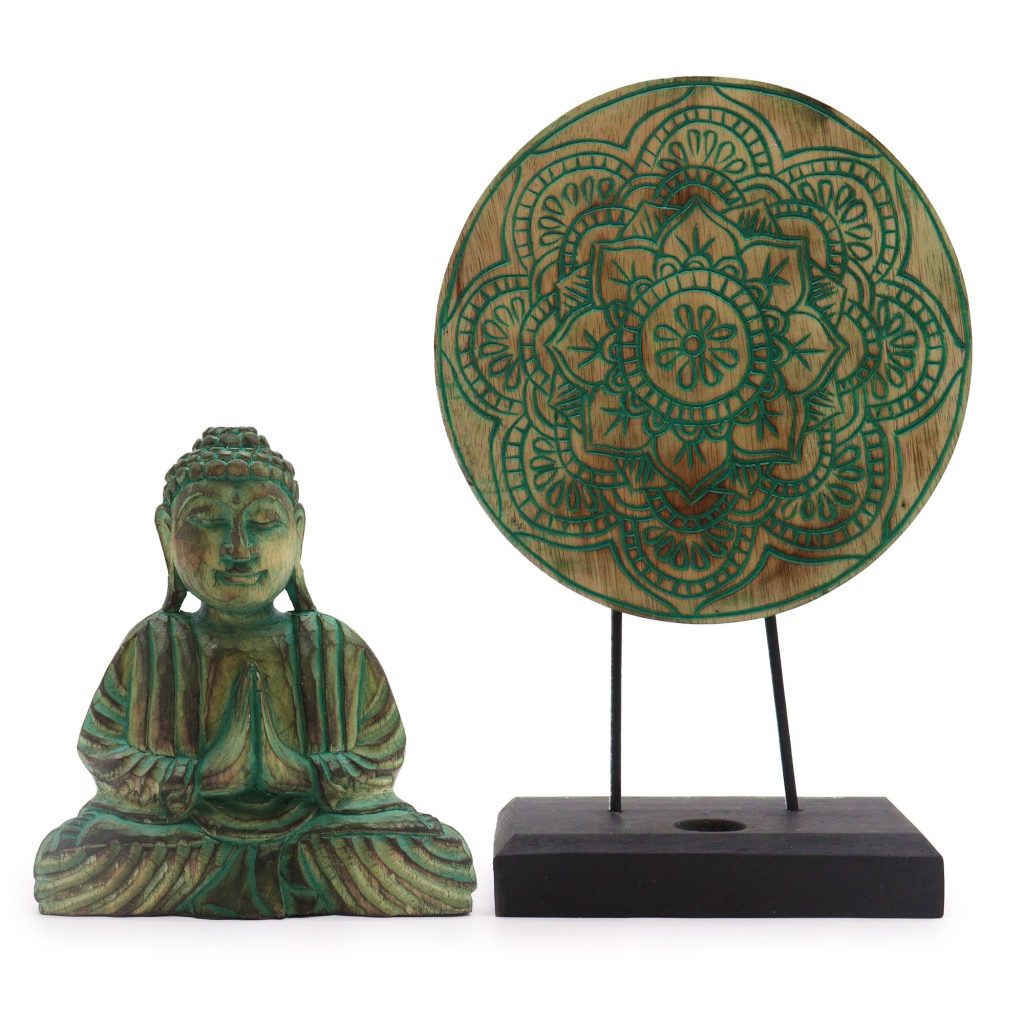
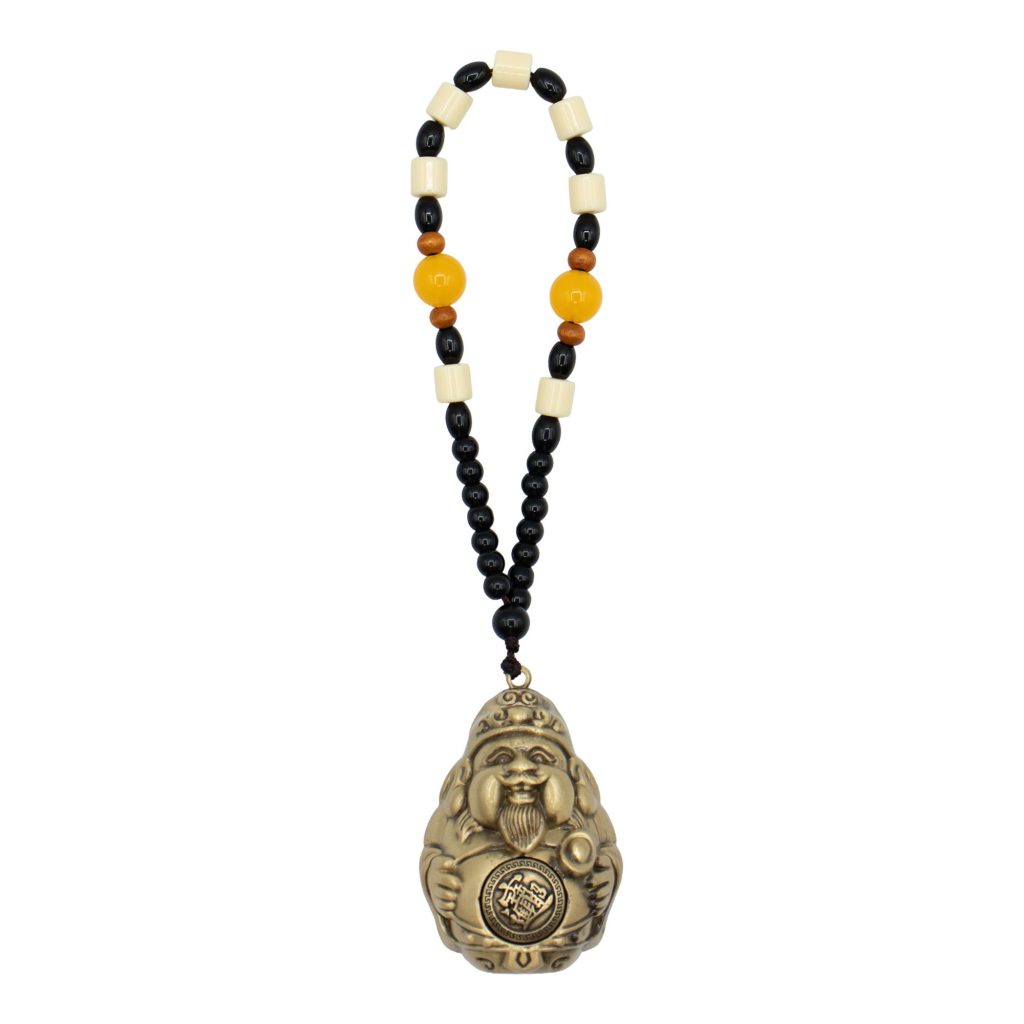

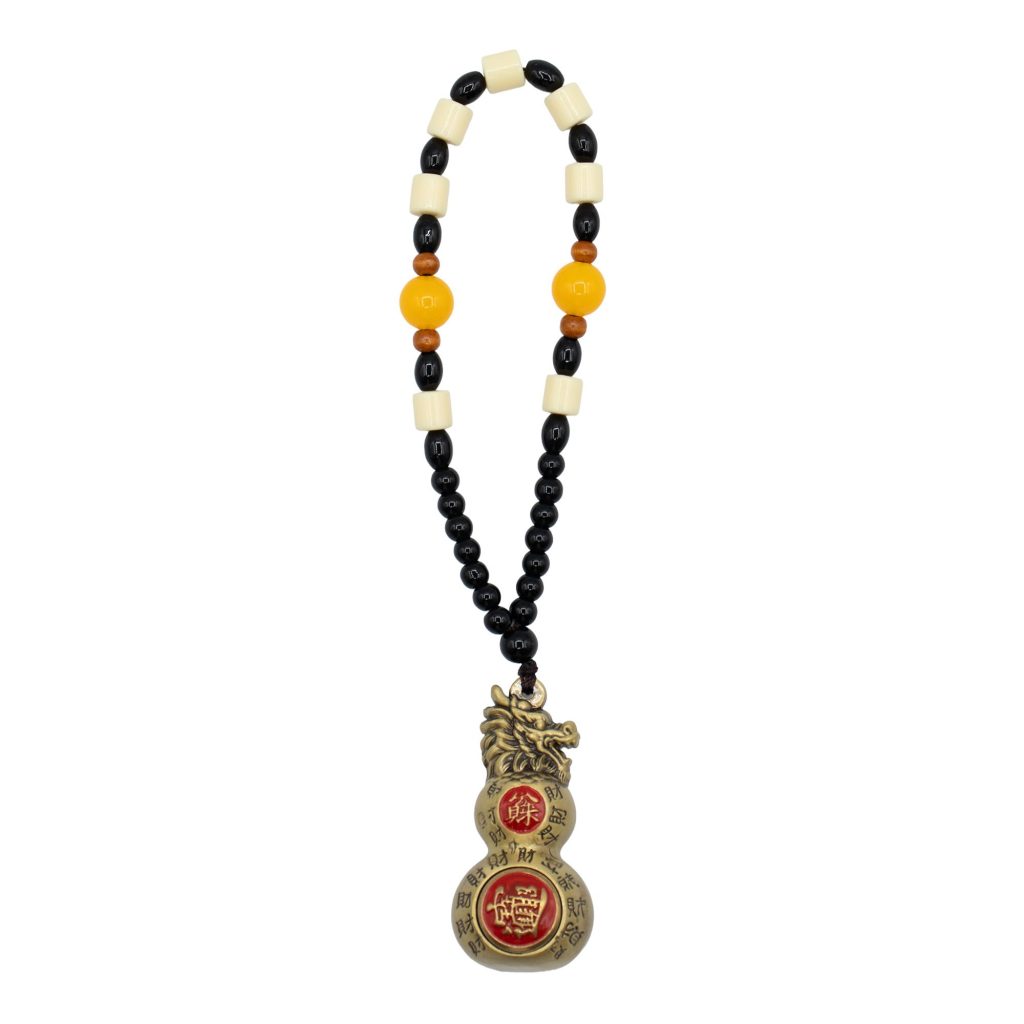
These are meaningful symbolic objects that help to strengthen the feeling of protection, luck, harmony and well-being. Special attention is paid to this category for accessories, which are associated with the flow of positive energy (chi), abundance, health, and inner balance.