Is incense smoke harmful to your lungs? It's not that you smoke, but what you smoke that matters
For many, the scents of their homes and the smoke of incense are part of a calming ritual: when meditating, reading a book, or simply to "cleanse" the space after a hard day. However, at the same time, a rational question increasingly arises: Is incense safe for the respiratory tract??
The answer is not black and white, but it fits into one rule: The risk is usually determined not by the incense itself, but by the composition of the incense, the quality of burning, and ventilation.
The Chemistry of Incense Smoke: Why Cheap Incense Is More of a Problem
Any organic material that burns produces smoke and particulate matter. However, cheap, mass-produced incense often uses:
- synthetic fragrances (fragrances);
- binders;
- combustion "enhancing" fillers;
- dyes or carbon mixtures.
In this case, more smoke may appear VOC (volatile organic compounds), aldehydes and fine particles that degrade indoor air quality. Studies show that burning incense can significantly increase formaldehyde and various VOCs concentrations (e.g. benzene, toluene, etc.) (Procedia Engineering).
3 main „red flags“:
1) PM2.5 (fine particles).
These are extremely small particles that can penetrate deep into the lungs. World Health Organization (WHO) The 2021 guidelines provide very strict recommendations for fine particles (e.g., PM2.5 annual average 5 µg/m³, daily – 15 µg/m³).
2) Formaldehyde and aldehydes.
Formaldehyde is one of the most commonly mentioned byproducts of combustion, which can irritate the eyes and respiratory tract, especially in poorly ventilated areas. Formaldehyde levels can increase significantly during the burning of incense (Procedia Engineering).
3) VOC and fragrance „cocktail“.
The fragrance industry (including scented products) may use a variety of synthetic ingredients and have been associated with respiratory symptoms or irritation in sensitive individuals (PMS).
Quick verdict: If the incense costs pennies, the smell is "too strong" and resembles air freshener - this is often a sign that the composition is not clean.
Can incense be EQUAL TO SMOKING?
Some scientific articles highlight that incense smoke can contain various pollutants (PM, CO, VOCs, aldehydes, PAHs), and under certain conditions, particle emissions can be very high. In one Scientific Reports A published paper mentions that incense can generate more particulate matter than cigarettes (specific conditions and habits play a significant role).
The important thing here is not panic, but context: how often you burn incense, how many sticks, what kind of room, is it ventilated, and what is the composition.
How to choose safer incense: 3 practical criteria
If the goal is a ritual, not a "scent bomb", choose according to the following criteria:
1) Clear composition and natural ingredients
Look for products that list herbs, resins, wood, and not „fragrance/parfum“ as the only explanation.
2) Less smoke, more aroma "from the material"„
Natural wood or compressed herbs often have a milder, non-„pungent“ scent.
3) Reliable origin and responsible sourcing
This is especially true when choosing Palo Santo – it is important that the wood is sourced sustainably (e.g. from naturally fallen trees/branches, in compliance with local regulations).
Safe alternatives to SMOKING
Below are the directions that are most often considered a "cleaner" choice (if used wisely and with ventilation):
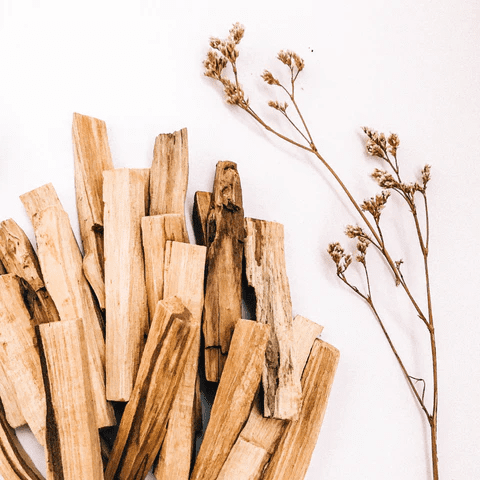
1) Palo Santo (sacred wood)
Instead of fragrances, it's the wood itself and natural resins. If you choose, it's worth checking the ethics and origin of the supply.
In practice, you can find Palo Santo options samanasanto.lt in the assortment.
2) Real Tibetan/Nepalese incense (without wood core)
Often made from compressed mixtures of herbs and resins (without "hollow" flavoring solutions). The main advantage is a more natural composition and a gentler burn (of course, the quality still depends on the manufacturer).
3) "Cleaning" space without smoke: sound and vibration
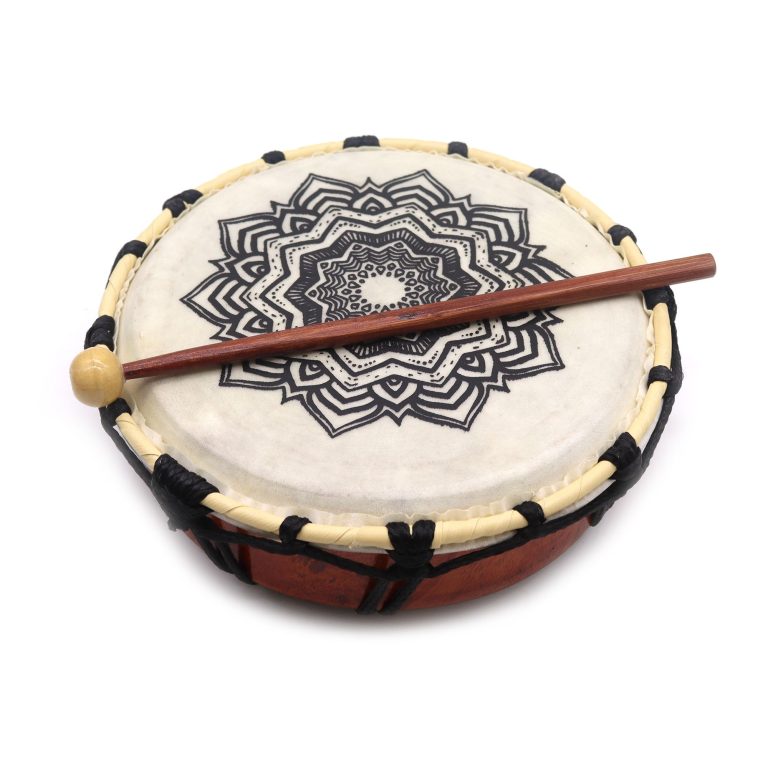
If you have sensitive respiratory tracts, you can choose emission-free rituals: singing bowls, gongs, bells. This is especially important in small spaces or when there are children/allergic people in the house.
How to recognize real Palo Santo?
Comparison table between real Palo Santo and fake
| Attribute | ✅ Real Palo Santo | ❌ Fake / Poor quality |
| Appearance | Light yellow, brown, natural resin "stripes" are visible. | Grayish, smooth, looks like ordinary dry firewood. |
| Odor (non-burning) | Mild, sweet, reminiscent of citrus, pine and hints of mint. | Very strong, "perfume" type or no smell at all. |
| Smoke | Only when ignited – black, but when burning – clear or white. | Thick, gray and eye-sore. |
7 tips for burning incense safely (and not turning the ritual into a burden)
- Ventilation is key. Open a window or at least ensure air circulation. This is one of the most effective ways to reduce the concentration of pollutants indoors.
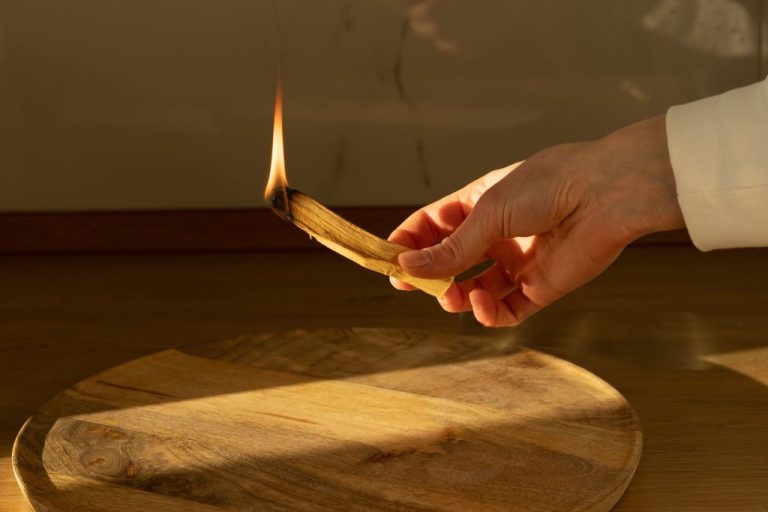
- Less is more. A single stick or short "lighting" of Palo Santo often produces the effect without excess smoke.
- Do not smoke in the bedroom before going to bed without ventilation. During sleep, breathing is prolonged, and particles remain in the air.
- Distance. Don't place the incense "under your nose" - let the smoke dissipate.
- Watch for signals: If your eyes sting, your throat "bites", or your head hurts, this often means the composition is inappropriate or ventilation is too low.
- Choose a quality incense burner. Stability and ash collection are not only aesthetics, but also safety.
- If you have asthma/chronic respiratory disease – choose less smoke or smoke-free. This is not insurance, but smart risk management.
FAQ
How to recognize synthetic incense?
Too strong, "artificial" smell, very low price, unclear composition ("fragrance" without details) - common indicators.
Is incense harmful to the lungs?
It can be harmful if incense is of poor quality, burned frequently, in a small room, and without ventilation - due to PM2.5, VOCs, and other combustion products.
What is an alternative to incense for people who are sensitive to smoke?
For sensitive people, it is usually best to – smoke-free (sound/vibration). If you still want to burn incense, choose clear, natural products and ventilate.
Summary: Is it worth giving up incense?
Absolutely not. Incense burning is a wonderful therapeutic process. But in 2026, we need to be conscious consumers. The answer to the question of whether incense is harmful to health lies not in the burning process itself, but in in product quality and our habits. We live in an era where the home environment becomes our sanctuary, so every scent we inhale should bring benefits, not additional pollution.
Synthetic, cheap incense made with carbon dust and artificial fragrances can actually cause headaches or respiratory irritation. However, when choosing natural solutions – ethically harvested Palo Santo wood, pure resins or handmade herbal incense – we return to ancient wisdom. It is a therapy that can be not only safe, but also necessary for modern people seeking to manage stress and find balance.
When choosing samanasanto.lt production, you choose nature, tradition and your well-being.