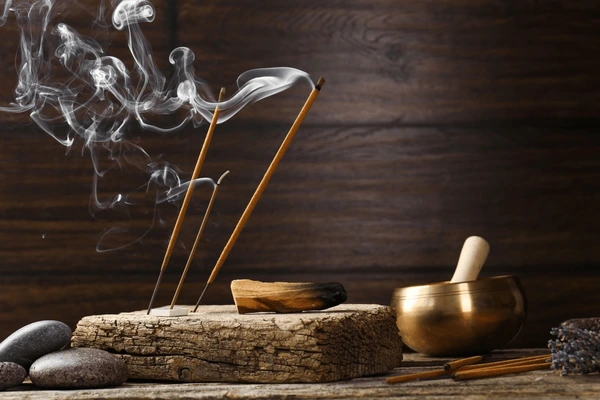
Meditation space at home: how to create your own oasis of peace?
Meditation is not just an exercise for the mind – it is a return home, to ourselves. And to make this return easier, we need a space that „speaks“ to our senses. Samana Santo In philosophy, the space of the home is alive, so filling it with meaningful objects helps create an energetic field in which calm becomes a natural state.
In this article, we will discuss how to choose a location and what attributes will help you immerse yourself in a deeper mindfulness practice.
What is a meditation space and why is it needed?
A meditation space at home is a deliberately designed space for inner peace, concentration, and emotional balance. Simply put, it is a quiet, clean, and private space where all sensory distractions are removed, and where environmental elements (light, scents, textures) encourage deep concentration. It doesn’t have to be large or elaborate—the most important thing is that it meets the individual’s needs and helps them escape the hustle and bustle of everyday life.
A well-designed meditation space can help you develop a meditation habit, reduce stress, and improve your overall well-being. Here's a step-by-step guide to creating one in your home.
How to choose a place for meditation?
Before you light your candles, find a quiet, private place. It doesn't have to be a large room—a cozy corner that you can dedicate to your peace will do. How to choose a place for meditation:
- Island of Peace: Choose a location away from doors or passageways. Ideally, it should be in a corner that provides a sense of shelter and security.;
- Play of light: If you meditate in the morning, seek the rays of the morning sun. For evening practices, a shaded area is better, which you will later fill with candlelight;
- Cleanliness as a basis: Before creating a meditation area, physically clean it. Removing dust and unnecessary items frees up space for new energy.
What attributes are used to create a meditation space?
Meditation props are not just for beauty. Each element has its own function: to calm the nervous system, focus attention, or purify the space.
1. Incense and fragrances
Smell is the fastest way to change brain frequency.
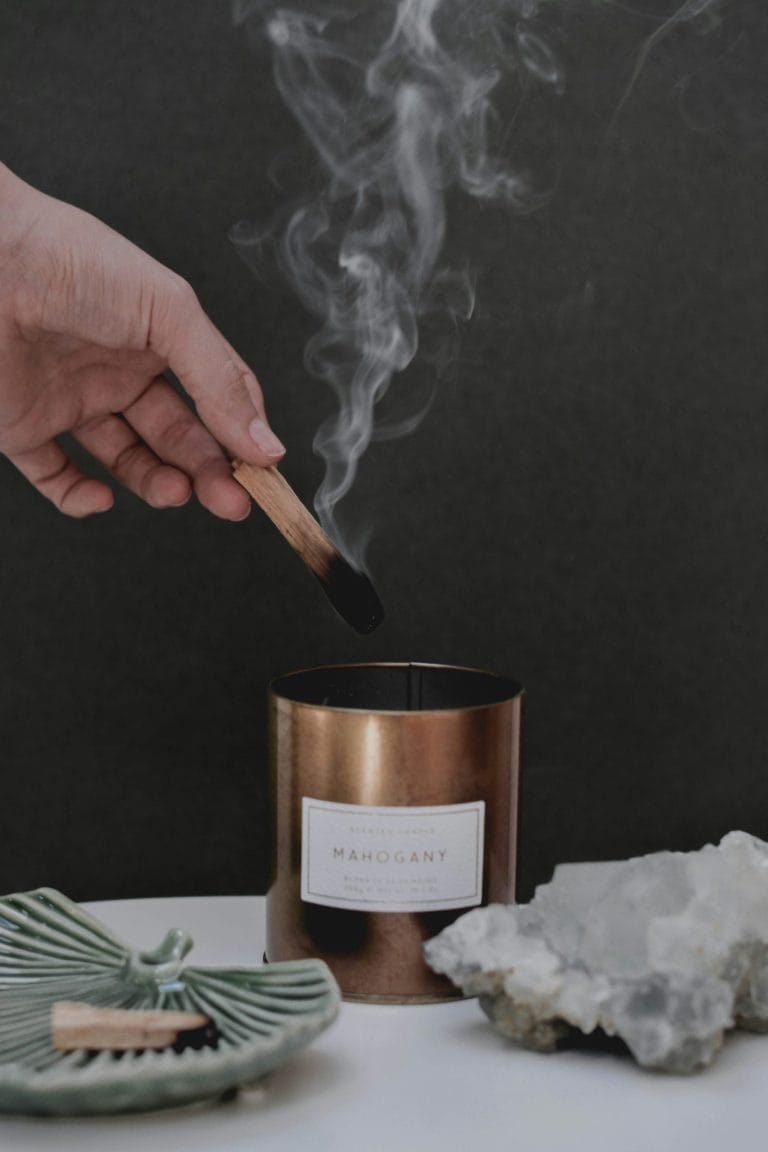
- Palo Santo (Sacred Tree): Its citrusy, resinous smoke not only cleanses the space of "heavy" emotions, but also grounds it. It's a great start to any practice.
- Natural incense: Choose pure, plant-based incense (such as sandalwood or sage). They create a sense of ritual and help you „disconnect“ from the worries of the day.
2. Candles - the importance of the fire element
Fire symbolizes transformation and inner light.
- Staring at a candle flame (Trataka meditation) is one of the most effective ways to calm a "jumping" mind.
- Choose natural beeswax or soy candles without synthetic fragrances - your breathing during meditation should be pure.
3. Tibetan Singing Bowls: Sound Vibration
Sound is vibration, and we ourselves are vibrating beings. Singing bowl helps you reach a deep meditative state through sound waves. Its sound helps to "knock out" stuck thoughts and harmonize your internal rhythm. This is especially useful when it's hard to calm down after a noisy day in the city.
4. Buddhist symbolism
A statuette or other spiritual symbol (such as a lotus or mandala) serves as focus point.
- Buddha image reminds us of the inner peace, compassion, and enlightenment we seek.
- This is not idolatry – it is a visual reminder of your own spiritual potential.
5. Meditation cushions (Zafu) and crystals
- Comfort: If your body is in pain, your mind will not be able to meditate. A high-quality cushion filled with buckwheat hulls helps keep your spine straight.
- Crystals: You can add rock crystal (for clarity), amethyst (for peace), or rose quartz (for self-love) to act as subtle energy generators on your altar.
How to create your own altar? (Small ritual)
- Lay the foundation: Place a beautiful, natural fabric napkin or, if you have one, altar cloth.
- Height play: Buddha statue or place the main symbol in the center, a little higher.
- Elemental balance: include water (a small saucer of water), fire (a candle), earth (crystals or pebbles), and air (incense smoke).
- Daily communication: Every morning, go to your altar, light a candle or burn incense. This is your promise to yourself to take time for silence.
Conclusions
A meditation space with properly selected attributes becomes a powerful tool. Candlelight, the aroma of incense, and the sound of a singing bowl create a „safe cocoon“ where you can be yourself – without masks and without haste.
The most important accents for your space:
- Quality over quantity: Better one real Palo Santo stick than ten synthetic candles.;
- Intention: each item on your altar should have meaning for you personally;
- Ritual: Attributes work when you use them.
Are you ready to create your own sacred space? All the attributes mentioned in the article – from handmade bowls to the sacred Palo Santo tree – can be found in our Samana in the Santo collection. Let your home become a reflection of your soul.
Frequently Asked Questions (FAQ)
Is it necessary to have a separate room for meditation?
Not really. A square meter of space that is clean and dedicated solely to your practice is enough.
How long do I need to meditate to feel the effects?
It's not the duration that matters, but the regularity. Even 5-10 minutes a day in your quiet space will be more beneficial than an hour once a month.
Is it possible to meditate in bed?
It's possible, but our brain associates the bed with sleep. If you want to stay awake and conscious, we recommend sitting on a special cushion or chair.
Want even more practical tools for your spiritual journey? Visit us Samana Santo store, where you will find carefully selected Palo Santo sticks, incense, and other items for your home sanctuary.