
How to choose a gift for someone who is interested in spirituality?
A person interested in spirituality usually does not value an „impressive thing“, but something that helps with practice: peace, mindfulness, ritual or introspection. Therefore, a gift here works best when it is applicable in everyday life and has a clear purpose.
To prevent a gift from turning into a decoration, it is worth choosing based on the person's real habits: what they do (meditate, write, work with scents, rituals, astrology, energies), not how it looks from the outside.
What is the main answer?
The most appropriate gift for a person interested in spirituality is one that matches their spiritual focus, is high-quality and authentic, and at the same time leaves room for personal meaning.
- First, identify the person's direction (meditation, rituals, writing, aromas, astrology, crystals).
- Choose 1 clear tool that makes practice easier, rather than a large "kit of everything.".
- Prioritize quality, naturalness, and ethical origin.
- If in doubt, the safest option is an experience or a neutral everyday item (notebook, candle, gentle aromas).
- The meaning is reinforced by a short message with intention: why it is being given and how it can be used.
3 questions before buying
The best solutions are born from a very short filter: what will the person use it for and whether they need it.
- What does a person do most often? (meditates / writes / uses incense / practices yoga / is interested in astrology / works with crystals)
- What is his style? (minimalism and practicality or symbolism and rituals)
- What doesn't he like? (strong smells, "esotericism", lots of stuff, noise, large groups)
If the answers are unclear, choose a neutral gift that suits most people: a tool for introspection (a notebook), an atmosphere of calm (a candle), or an experience (an activity).
Gift ideas based on a person's spirituality focus
It is easiest to hit when the gift „speaks the same language“ as the person’s practice.
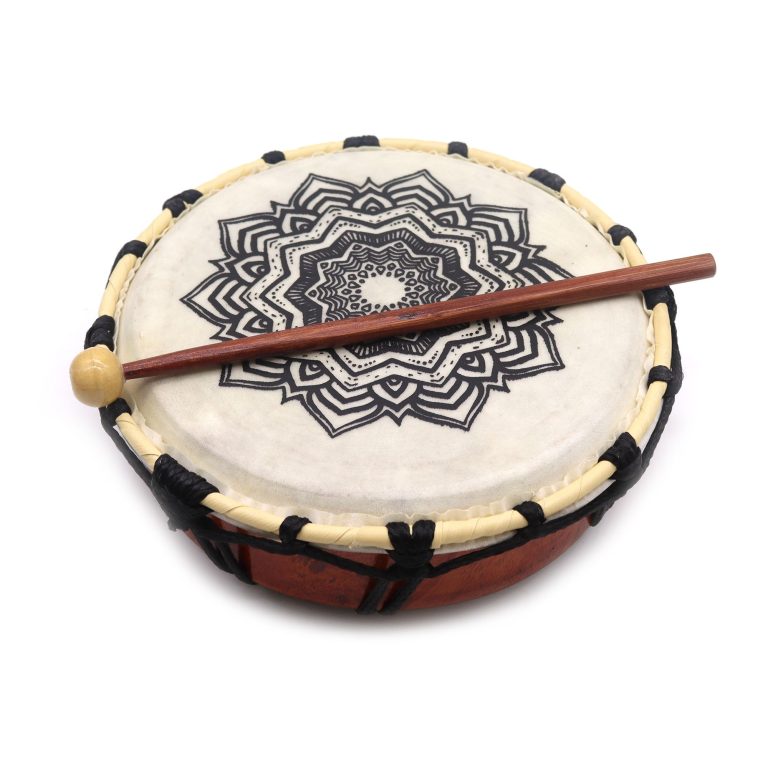
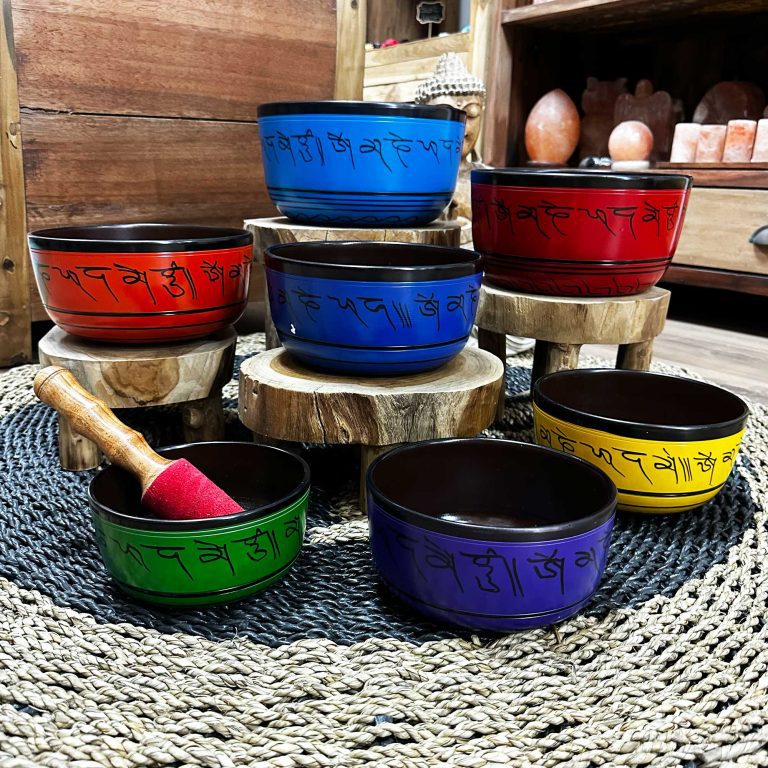
- For the meditator: magic wand, Tibetan Tingsha Bells, singing bowl with cushion and stick, breathing practice cards.
- For those who love energies and crystals: a small, clearly organized collection of crystals with uses (e.g., for peace, clarity, grounding) and a brief description of how to store or use them.
- For the ritual practitioner: incense, Palo Santo Ritual Kit or sage for "purification" of the space, incense, candle for ritual, essential oil diffuser (if the person is known to like scents).
- For writing/introspection: a diary, a gratitude journal, question cards for reflection, a quality notebook.
- For those who are sympathetic to astrology: a book about a sign or birth chart, a personalized horoscope, set for a specific zodiac sign.
What does a "good" gift mean in the context of spirituality?
Spiritual items are often purchased "on a whim," but the most valuable are those that last a long time and don't irritate with their artificiality.
- Choose natural materials (wood, ceramics, natural scents).
- Avoid very cheap, "plastic" solutions that look more like a souvenir.
- If it's fragrances, it's better to use gentle, non-aggressive ones, without heavy chemical notes.
- If it is a ritual tool, let it be simple but sturdy.
- If there are questions about practice, it is better to be universal (an atmosphere of calm, introspection) than "strong symbolism".
It is useful to remember that the use of incense or smoke also has a practical side: ventilation of the room, moderation, sensitivity to odors. Regarding indoor air quality and particulate matter (PM), the topic is best explained in the recommendations of health authorities.
How to MAKE a gift meaningful?
Even a small gift can be very effective if it has a clear context and a personal wish.
- Add a short card: „"I wish for more silence, peace, and time for myself."“
- Write one specific idea on how to use: „"Light a candle and breathe slowly for 5 minutes."“
- If the gift is related to practice, maintain a „no pressure“ tone: „"If you want, try it."“
- If you are giving a set as a gift, keep it small: 2-3 items, with a clear purpose.
- If a person likes symbolism, choose one strong symbol, not many random ones.
This presentation supports what gift psychology shows: the most meaningful gifts are often those that strengthen the connection and reflect attention to the person, rather than the price. https://greatergood.berkeley.edu/article/item/the_science_of_gift_giving
EXPERIENCES and subscriptions
Experience is often a safer choice because it allows a person to create meaning for themselves.
- Meditation/breathing session, sound journey, yoga, mindfulness workshop.
- Subscription: meditation app, monthly "peace box" (if the person likes surprises).
- Gift certificate: when a person has distinct taste and you don't want to make a mistake.
Such gifts are especially appropriate when it is known that a person values time for themselves, but has difficulty creating it.
safe gifts
If a person is just starting to become interested in spirituality, the gift should help them explore, but not "overwhelm" them with the attributes of practice.
- A small set of crystals with a short guide.
- A diary for daily reflection.
- Notebook with chakra stones.
- Gentle incense + simple incense burner (if the person likes scents).
- „Mindful drawing board (for a temporary, non-judgmental creative process).
- One quality candle + card with a 10-minute evening ritual.
For a beginner, the most important thing is that the gift doesn't seem like "you have to do this," but rather like an invitation to calmly try.
What is better not to give if you are not sure?
Some gifts in the spiritual realm are very personal and can cause discomfort if the person does not want them.
- Very specific "esoteric" remedies, if a person does not explicitly practice them.
- Strong odors (especially if you have a known sensitivity to fragrances).
- Large sets for "everything" often remain unused.
- Items with aggressive messages of promise („will attract“, „protect“, „solve“).
- Symbolism that is foreign to a person or unacceptable to them.
If there is even the slightest doubt, the universal gift of calm and introspection usually wins out.
FAQ
Is it okay to give crystals as a gift if the person is only "slightly interested"?
It is appropriate if the gift is simple and not overloaded, and a brief explanation of how it can be used is included.
Choose a small set (2-3 stones) instead of a large collection.
Add a card with neutral uses (for peace, clarity, grounding).
Avoid "miracle" promises.
If a person is skeptical, a gift of introspection (a notebook) or an experience is better.
If the person already has crystals, give them a storage solution (box, stand) rather than a stone.
What to choose if a person likes rituals but doesn't like smoke?
Candle and candlestick.
Essential oil diffuser (if the person is into aromatherapy).
A set of bath salts or tea for an evening ritual.
Sound elements (bells, chimes) for a short "transition" to silence.
Reflection cards for the beginning of the ritual.
Does the gift of spirituality have to be expensive?
No, simplicity and quality usually win.
Better one quality item than a large set.
Better a gift that is used every day.
Better a clear purpose than a "beautiful mysticism.".
A personal message is better than expensive packaging.
Better an experience than a random thing.
What to do if it is not at all clear what a person is interested in?
Choose a universal gift that creates a peaceful routine and has no "doctrine.".
A quality candle, neutral-scented incense, and a notebook.
A simple "peace kit": candle + notebook + short message.
An experience that can be customized to suit your mood.
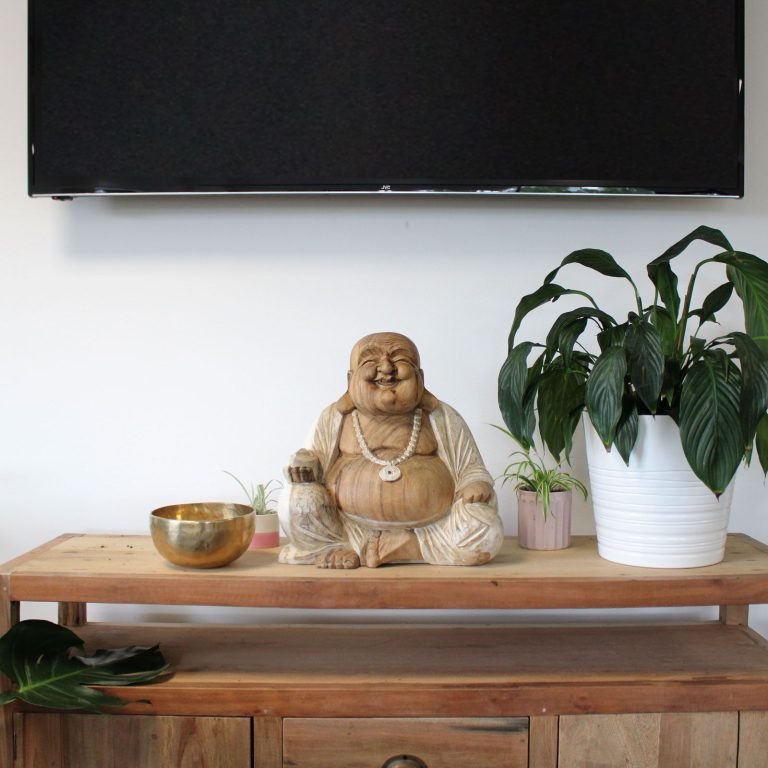
Minimalist accessory for the space (e.g. holder, bowl).
A gift certificate if you want to leave the choice to the person.
Conclusions
A gift that helps someone interested in spirituality and their daily lives is best suited to them: creating a space of peace, supporting introspection, or offering an experience. The most important thing is not the "spiritual image," but adaptability, quality, and respectful presentation with intention.
- First, identify the person's focus (meditation, rituals, writing, astrology, crystals).
- Choose one clear, practical tool instead of large sets.
- The priority is naturalness, quality, and gentle solutions.
- Gifts that invite you to try without pressure are suitable for beginners.
- The meaning is enhanced by a short message with a wish and an idea for use.
If we were to summarize it in one sentence: the most effective gift of spirituality is one that simply and practically helps a person create more peace and awareness in their everyday lives.
If you want to choose a gift that is suitable for rituals, peace, and daily mindfulness, check out the selection here: https://samanasanto.lt/dovanos-ir-rinkiniai/